








Phonics teaching guides
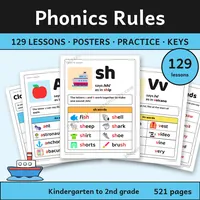
Each guide explains one rule in plain words, with examples, the words that break it, and a simple way to teach it.
First reading
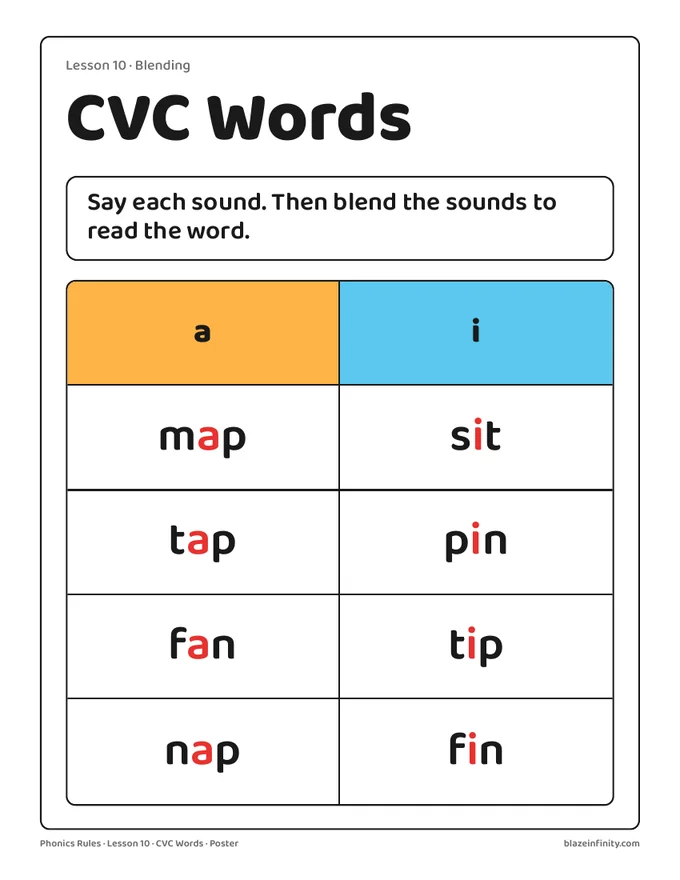
CVC words: a simple way to teach blending
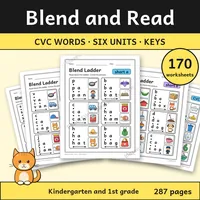
What CVC words are, which vowel to start with, and how to help a child blend three sounds into a word.
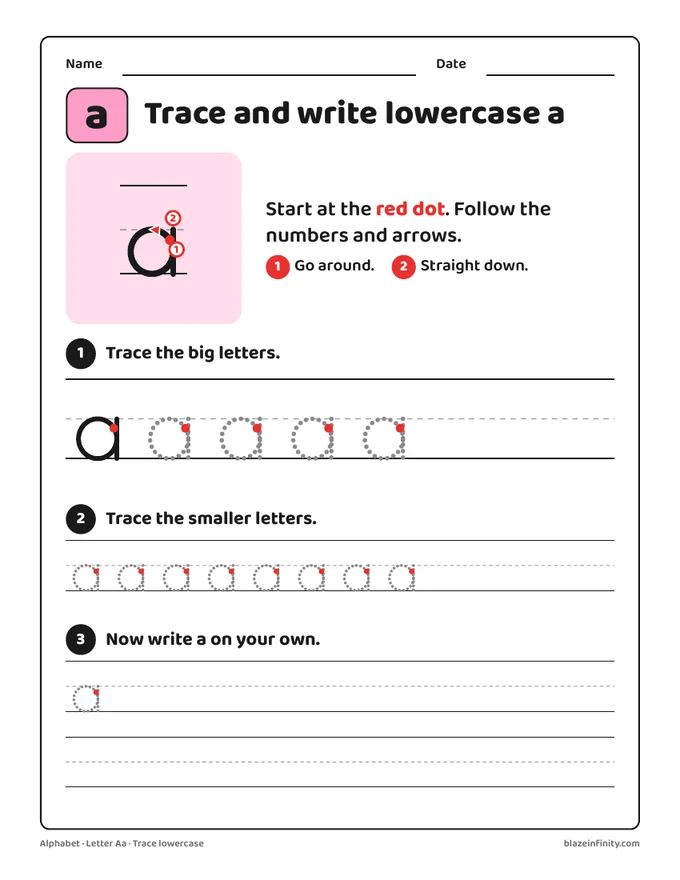
Teaching letter formation: start dots, strokes and lines
How to teach children to form letters the same way every time, and why the starting point matters most.
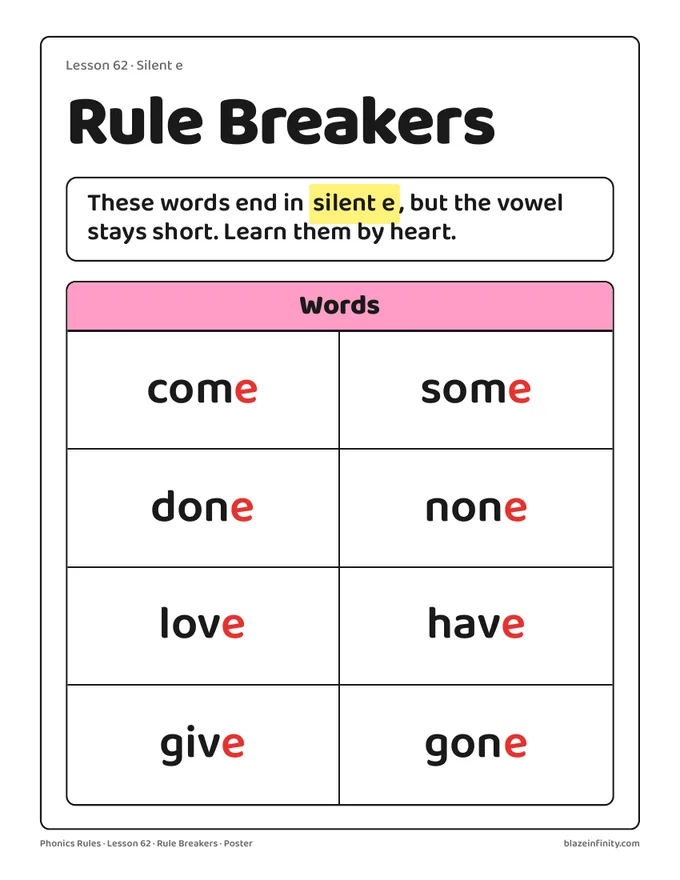
Heart words: what they are and how to teach them
Heart words are common words with one part that does not follow the rules yet. Here is how to teach that part by heart.
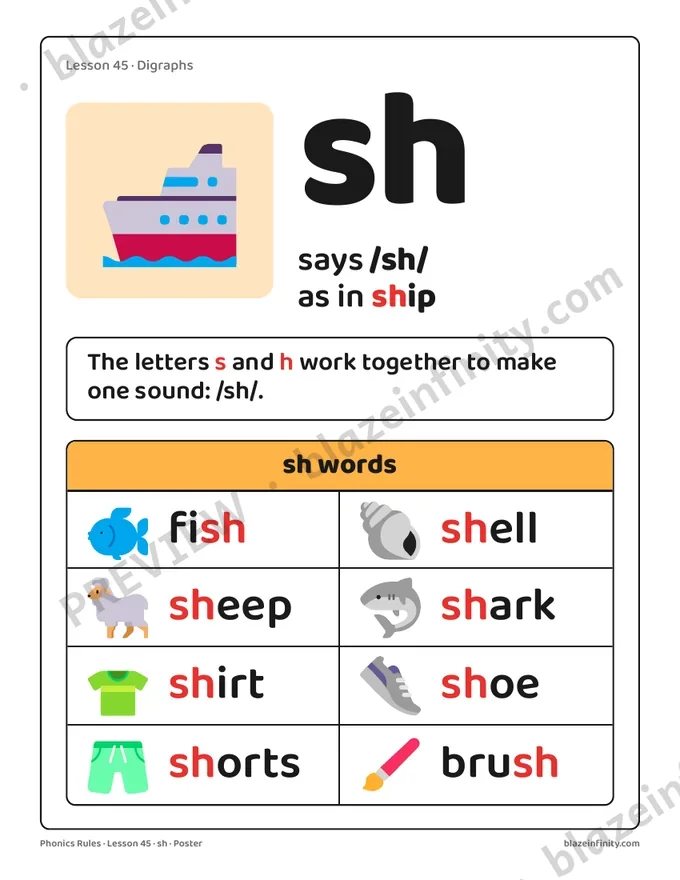
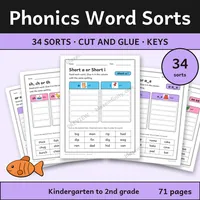
Digraphs and blends: what is the difference?
Digraphs make one sound and blends keep every sound. Here is how to explain the difference to children, with examples.
Vowel patterns
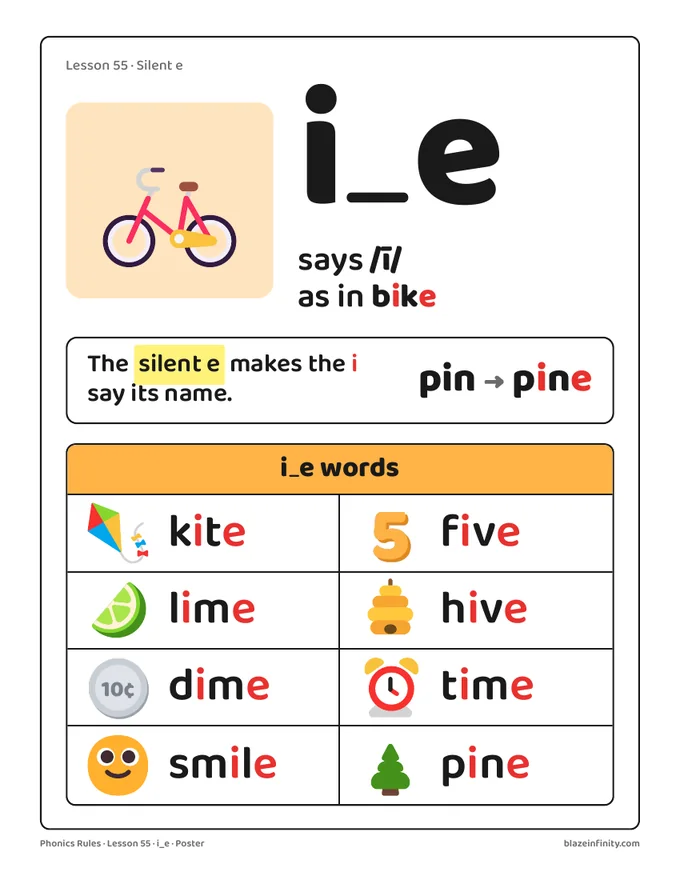
The silent e rule: how to teach it in five minutes
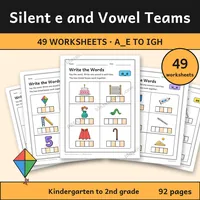
What the silent e rule is, the words to start with, the words that break it, and a simple way to teach it.

Vowel teams: the common ones and where each is used
A vowel team is two or more letters that make one vowel sound. Here are the common teams and the position each one takes in a word.
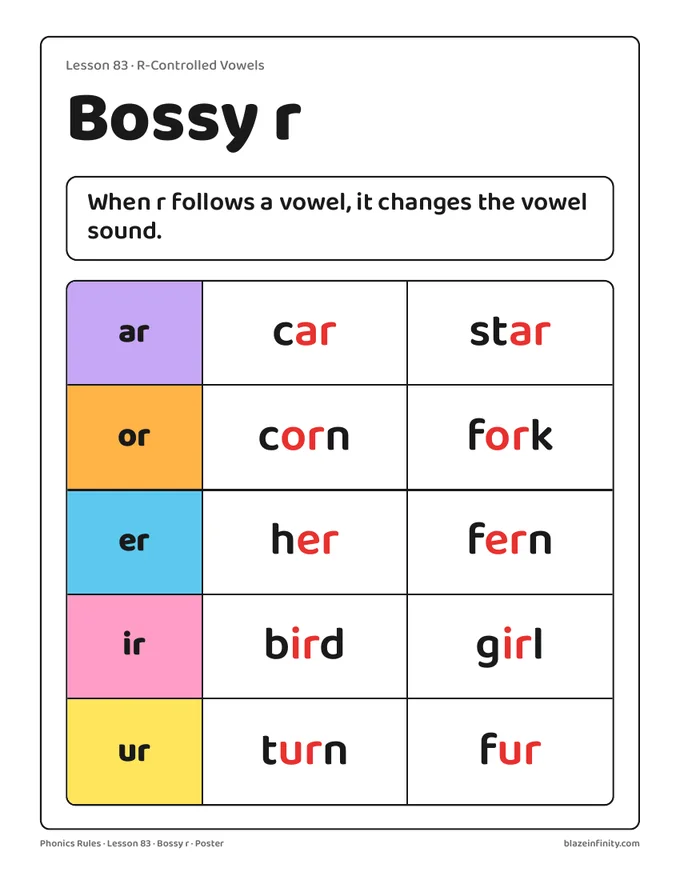
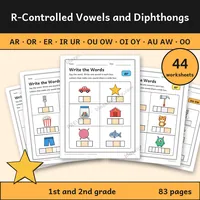
Bossy r: teaching ar, or, er, ir and ur
When r follows a vowel it changes the vowel sound. Here are the five r-controlled spellings and how to teach them.
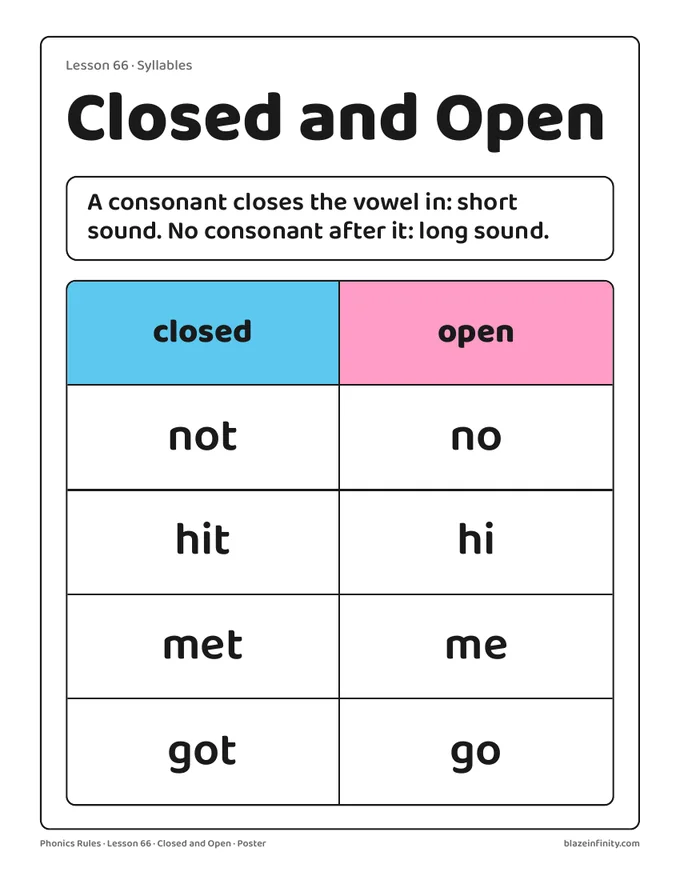
Open and closed syllables, explained simply
Why the vowel is short in not and long in no, and how this helps children read longer words.
Spelling rules
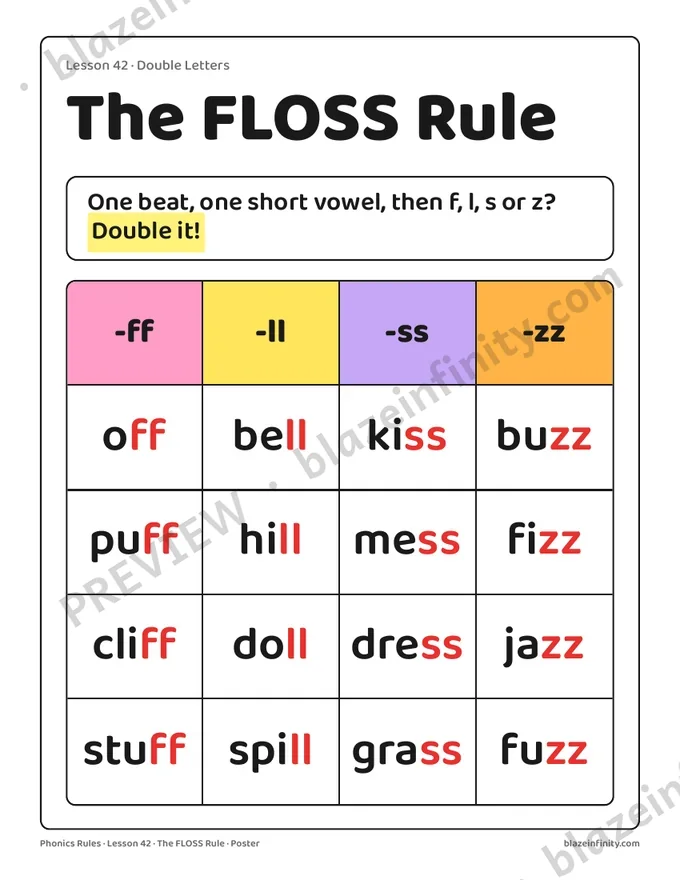
The FLOSS rule: when to double f, l, s and z
A plain explanation of the FLOSS spelling rule, with three quick checks, example words and the words that break it.
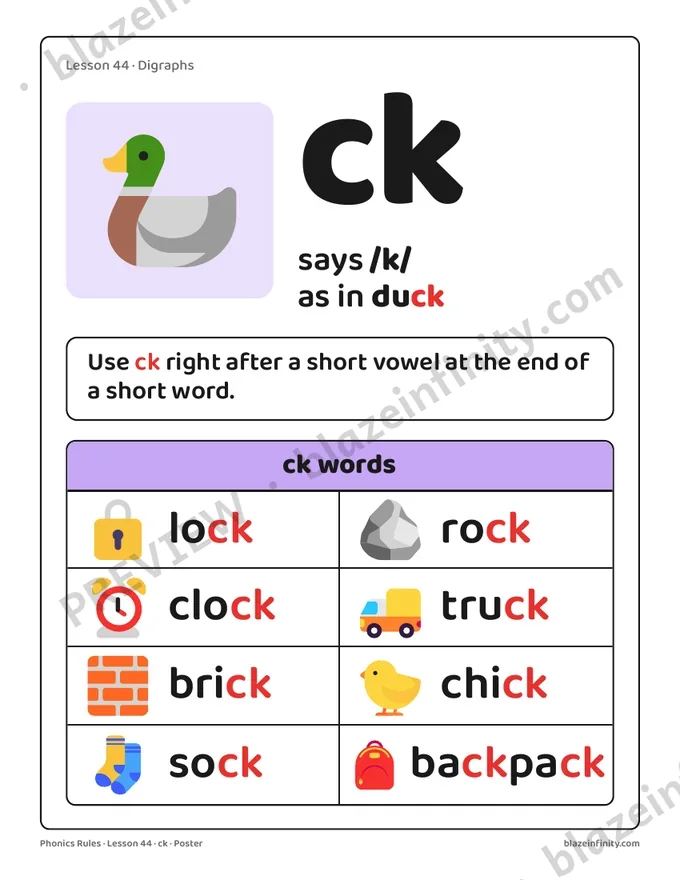
c, k or ck? How to spell the /k/ sound
Three simple guides for choosing between c, k and ck, at the start and at the end of a word.
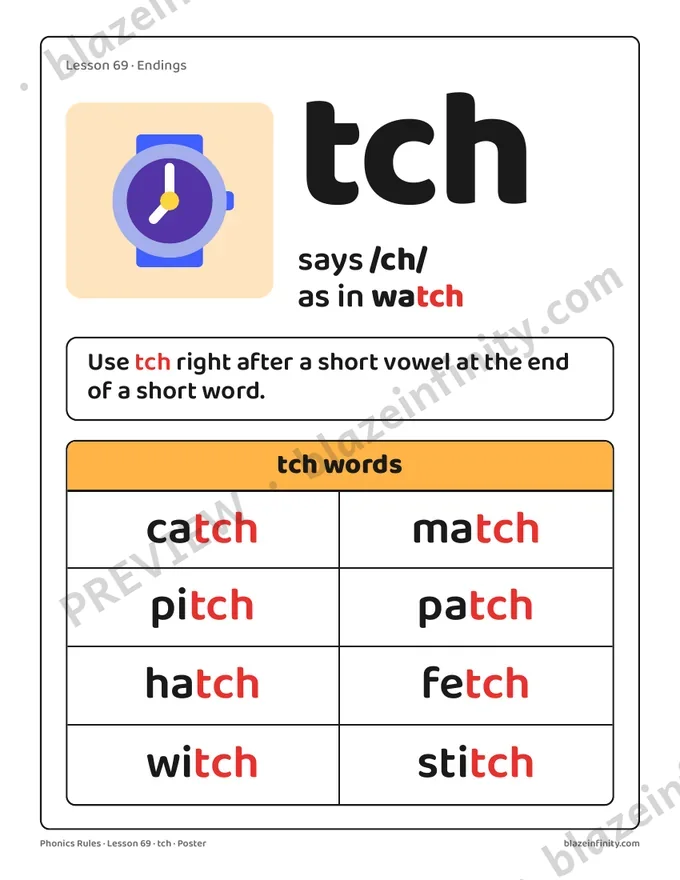
tch and dge: the short vowel guards
When to spell /ch/ as tch and /j/ as dge at the end of a word, with examples and the common exceptions.
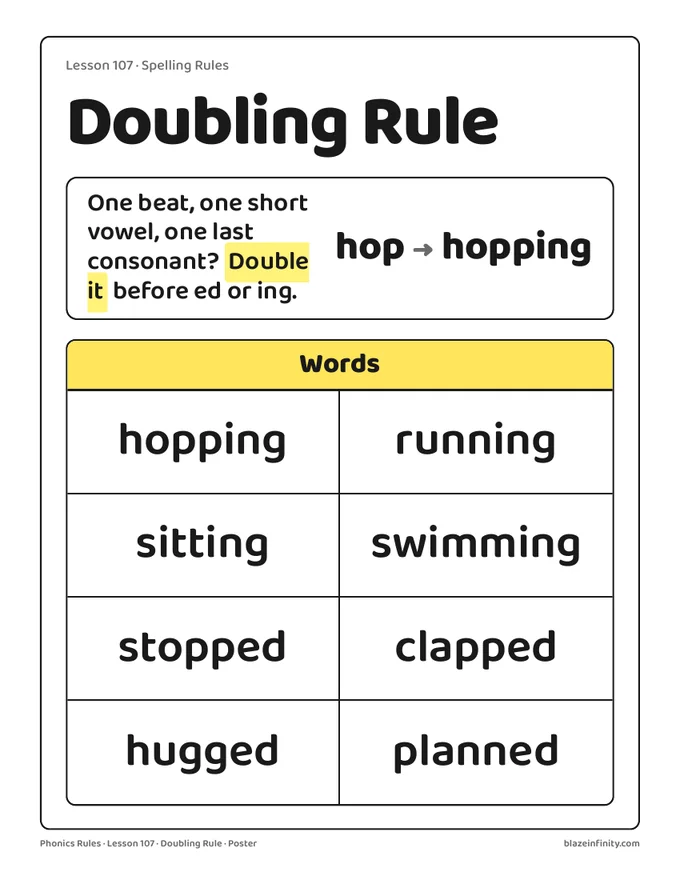
The doubling rule: hop becomes hopping
When to double the last letter before adding ed or ing, with three checks children can run for themselves.
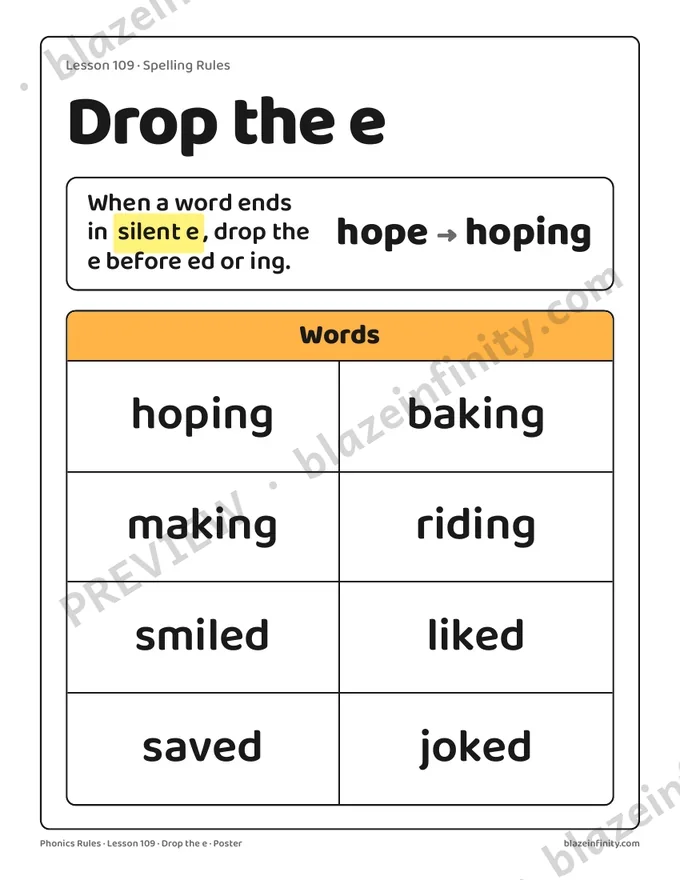
Drop the e: bake becomes baking
When to drop a silent e before adding an ending, when to keep it, and how to practice the rule.