




















Phonemic awareness vs phonics: the difference, explained
Phonemic awareness is hearing sounds; phonics is matching sounds to letters. Here is the difference, how phonological awareness fits in, and activities for each.
In short
- Phonemic awareness is hearing and changing the sounds in spoken words.
- Phonics is matching those sounds to letters.
- Phonological awareness is the wider family: words, rhymes, syllables and sounds.
Phonemic awareness and phonics are taught side by side and their names sound alike, so they are easy to mix up. The difference is simple: phonemic awareness is about sounds you hear; phonics is about letters you see. A child can practice phonemic awareness with their eyes closed. Phonics always involves print.
Phonemic awareness: hearing the sounds in words
Phonemic awareness is the ability to hear, pick out and change the single sounds (phonemes) in spoken words. Hearing that sun starts with /s/, that cat has three sounds, or that changing /m/ to /h/ turns mat into hat are all phonemic awareness. It has nothing to do with letters, and a child can do it before they know a single one.
Phonological awareness: the bigger umbrella
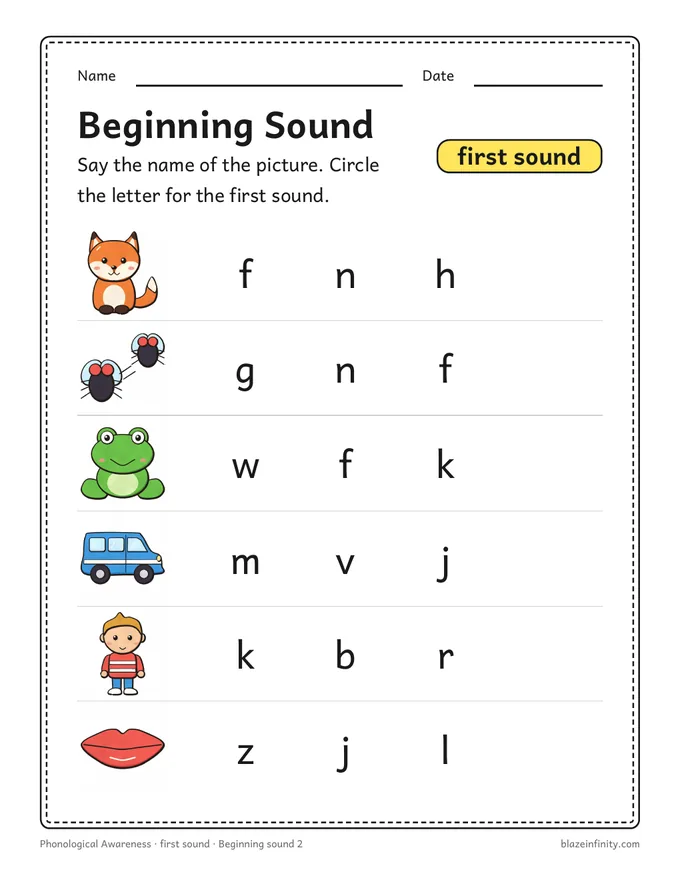
Phonological awareness is the wider family of listening skills, and phonemic awareness is its most advanced member. Children usually move from bigger chunks of sound to smaller ones: hearing words in a sentence, then rhymes, then syllables (clapping el-e-phant), then the first sound and the rest of a word (c-at), and finally every single sound. In US standards, kindergarten covers all of these (RF.K.2).
Phonics: matching sounds to letters
Phonics is the link between sounds and the letters that spell them: s says /s/, sh says /sh/, and an e at the end of a word can change the vowel before it. Phonics is how children read (sounding out letters to make a word) and spell (turning sounds into letters). Without phonemic awareness, phonics has nothing to attach to: a child who cannot hear three sounds in cat cannot match them to three letters.
Which comes first?
Phonemic awareness starts first, but you do not need to wait for it to be complete before teaching letters. The two help each other. The US National Reading Panel (2000) found that phonemic awareness teaching works best when it is linked to letters, so many teachers do a few minutes of listening games and then the matching phonics lesson, every day, in kindergarten and early first grade.
Phonemic awareness activities (no letters)
- I spy a sound. “I spy something that starts with /b/.”
- Robot talk. Say a word in sounds, /d/ /o/ /g/, and children say the word. Then swap.
- Sound fingers. Children hold up a finger for each sound they hear.
- Change a sound. “Say mat. Now change /m/ to /s/.”
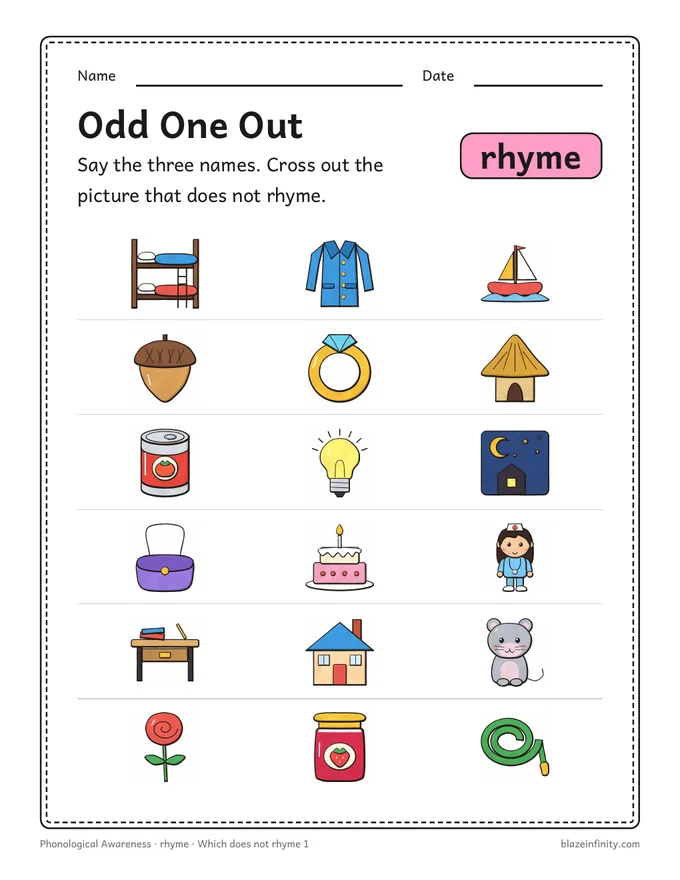
- Odd one out. Three words, one does not rhyme or start the same way.
Phonics activities (letters and words)
- Letter-sound flash. Show a letter, children say its sound, not its name.
- Build a word. Use letter tiles to build a word you say, then change one letter to make a new word.
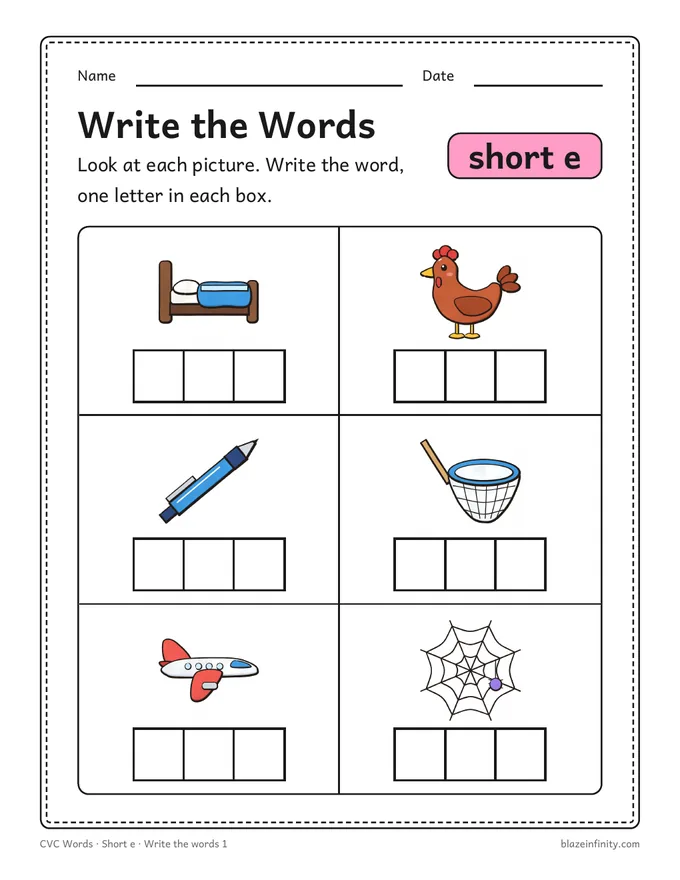
- Read and match. Read a short word and match it to its picture.
- Dictation. Say a word, children write it sound by sound.
For the step where the two come together, reading a word by sounding it out, see our guide on how to teach blending.
Common questions
- What is the difference between phonemic awareness and phonics?
- Phonemic awareness is about sounds in spoken words and needs no print. Phonics is about how letters stand for those sounds, so it always involves print.
- What is phonemic awareness vs phonological awareness?
- Phonological awareness covers all the sound units of speech: words, syllables, rhymes and single sounds. Phonemic awareness is the part about single sounds.
- Should phonemic awareness be taught before phonics?
- It starts first, but the two are best taught side by side. Linking sounds to letters makes phonemic awareness teaching more effective.
Ready-made pages for this skill
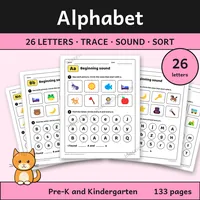
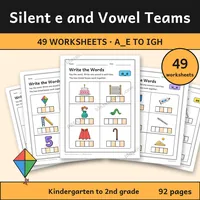
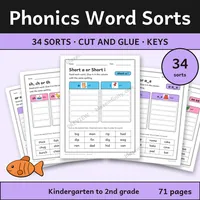
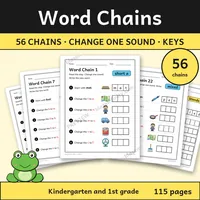
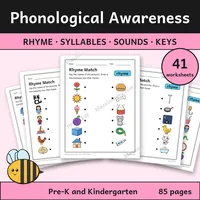
Phonological Awareness: ready-made printable pages for this skill.
See the set