





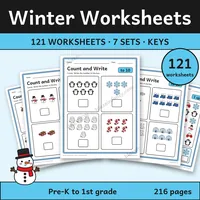
Winter activities for kindergarten that teach real skills
Winter activities for kindergarten that practice counting, letter sounds, writing and science, with a melting ice experiment and free printables.
In short
- Pick winter activities that practice the skills you are already teaching.
- Snowball counting, mitten matching and the melting ice experiment need only simple materials.
- One themed activity a day is plenty; keep normal routines.
The weeks between Thanksgiving and spring break are long, cold and full of excitement. Winter themes help: children are already talking about snow, mittens and holidays, so a winter activity gets their attention for free. The trick is to choose activities that also practice the skills kindergartners are working on. Here are winter ideas for math, reading, writing and science, all with simple materials.
Winter math activities
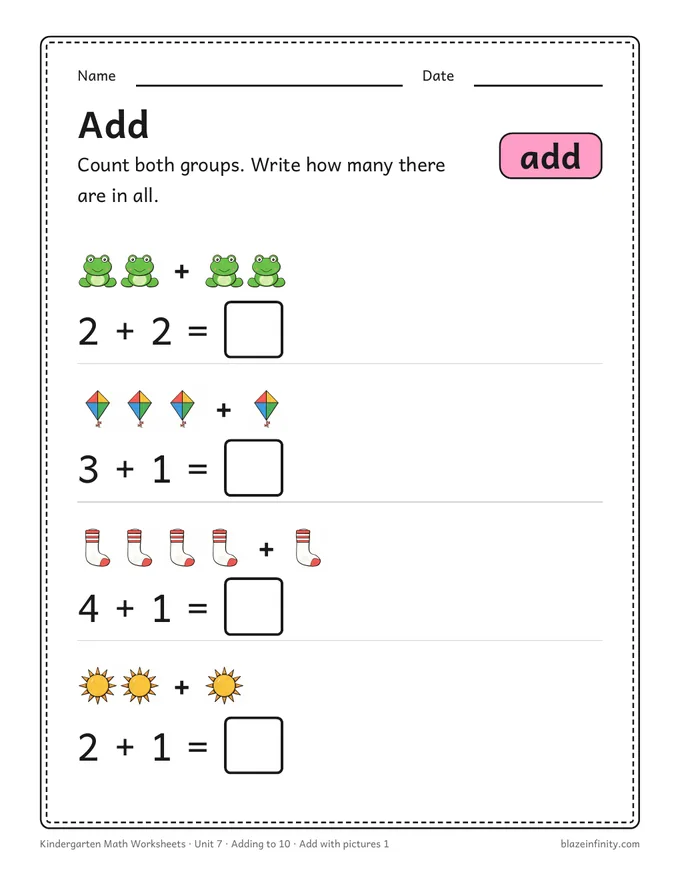
- Snowball count. Cotton balls and a ten frame drawn on paper. Roll a die, add that many snowballs, and say how many more make ten.
- Mitten match. Cut out paper mittens. Write a number on one of each pair and draw that many dots on the other. Children find the pairs.
- Snowman measuring. Measure paper snowmen with linking cubes and order them from shortest to tallest.
- Hot cocoa shop. Pretend play with cups, mini marshmallows and number cards: “Two cups, please, with five marshmallows in each.”

Winter reading and phonics activities
- Snowball sounds. Write letters on paper “snowballs”. Children toss one into a bucket and say its sound.
- Mitten word families. Write an ending such as -at on a mitten, and first letters on snowflakes. Children build and read words.
- Winter I spy. “I spy something that starts with /s/” (snow, scarf, sled) is a quick phonemic awareness game for lining up.
- Read-aloud week. Classic winter picture books such as The Snowy Day by Ezra Jack Keats and The Mitten by Jan Brett are perfect for retelling with five fingers.
Winter writing activities
- How to build a snowman. Children draw three steps and write a word or a short sentence for each.
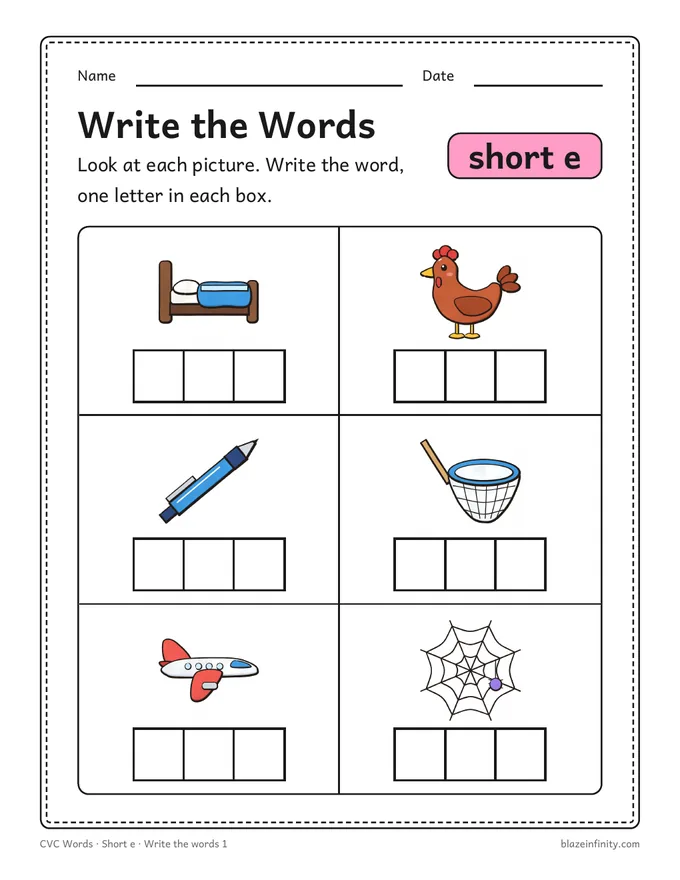
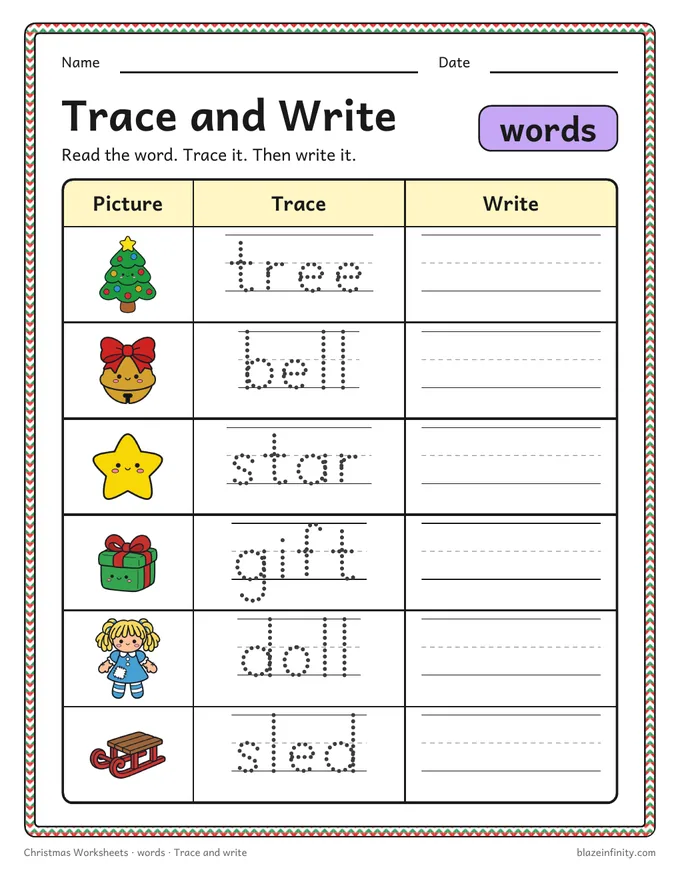
- Winter word tracing. Trace and write winter words, then use one in a sentence.
- Snowy day journal. A drawing and one sentence: “I like to ___ in the snow.”
Winter science: the melting ice experiment
Freeze small toys in ice in a muffin tin. Give each group one ice block and three “tools”: salt, warm water and nothing at all. Children predict which will melt the ice fastest, try it, and draw what happened. It covers predicting, observing and recording in one lesson, and there is always a lot to talk about. For a second experiment, bring snow inside in a cup, mark the level, and check it after an hour: the water line is much lower than the snow was.
Winter fine motor and movement
- Snowflake cutting. Folding and cutting paper snowflakes builds scissor skills, and every one is different.
- Pom-pom transfer. Move white pom-poms from one bowl to another with tongs.
- Snowball walk. On indoor recess days, children balance a paper snowball on a spoon across the room.
Keep it calm
Winter weeks are busy, and themed days can turn into crafts with little learning. One themed activity a day, linked to the skill you are already teaching, is plenty. Keep your normal routines for blending, letters and numbers, and let the theme decorate them.
Common questions
- What are good winter activities for kindergarten?
- Counting snowballs on a ten frame, matching number mittens, building words on mittens and snowflakes, writing how to build a snowman, and a melting ice experiment.
- What is an easy winter science experiment for kindergarten?
- Freeze small toys in ice and test whether salt, warm water or nothing melts the ice fastest. Children predict, watch and draw the result.
- What winter books are good for kindergarten?
- The Snowy Day by Ezra Jack Keats and The Mitten by Jan Brett are classic choices that work well for retelling and talking about a story.
Ready-made pages for this skill
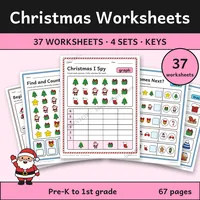
Christmas Worksheets: ready-made printable pages for this skill.
See the set